Why a House Drawing Means Something Different When It Goes to a Teacher
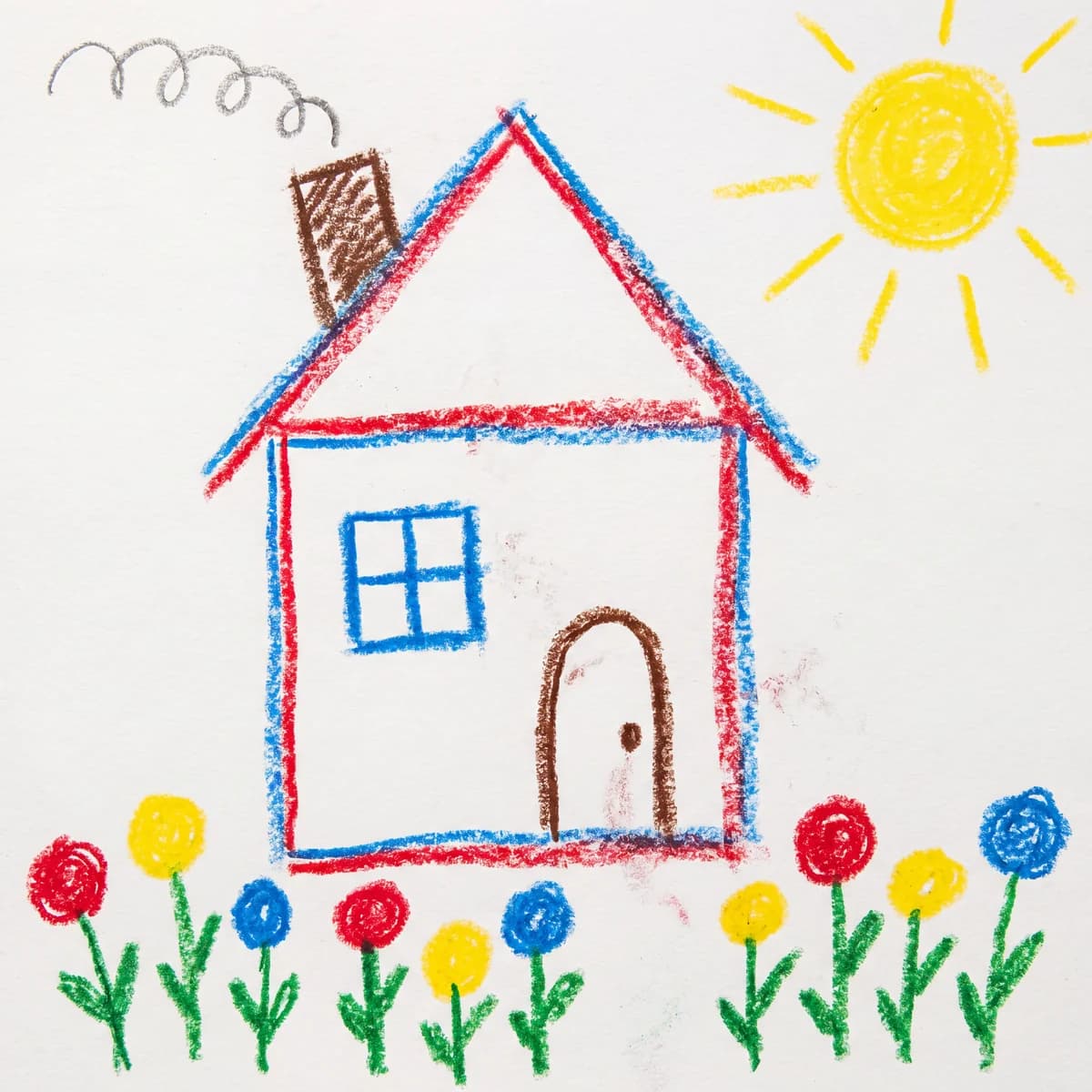
Kids draw houses constantly. It shows up in preschool art bins, on refrigerators, folded into backpacks. But when a child draws a house and hands it to a teacher, there's a specific kind of trust in that gesture. Home is what they know best, and they're sharing it.
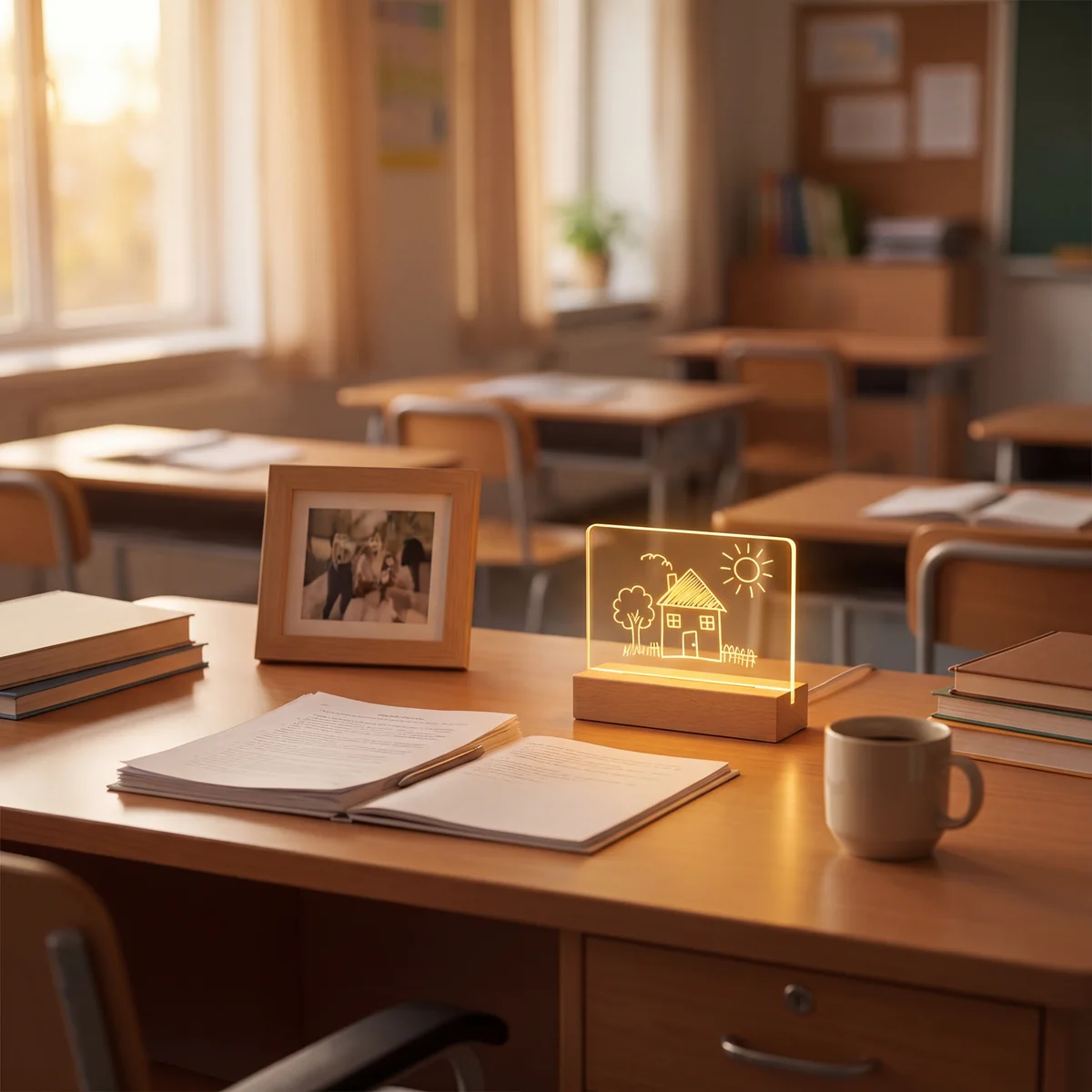
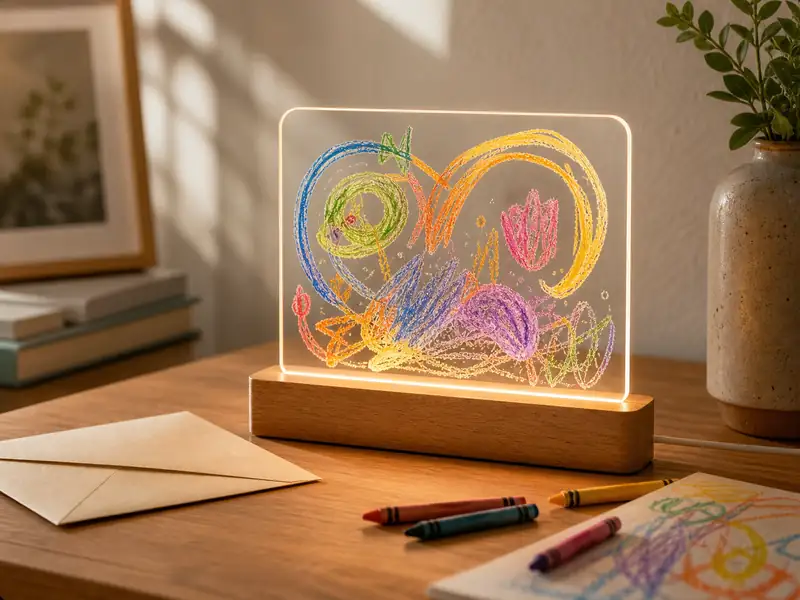
Most teachers quietly love these drawings and have no good place to put them. A paper drawing gets soft at the edges, fades, and eventually has to be recycled. A token gift from a gift shop has no connection to the child at all. This product sits between those two things: it preserves the actual drawing, in the child's own lines and color choices, as something that can live on a desk or shelf for years.
For a just-because gift, that specificity matters more than it would for a holiday haul. There's no occasion propping it up. The drawing has to carry the meaning on its own, and a house drawing, rendered in a child's confident crayon strokes, does exactly that.
What Makes This Better Than Another Generic Just-Because Gift
Just-because gifts are tricky. They can't lean on a calendar date to explain themselves. A mug, a candle, a gift card, these things say 'we thought of you,' but they don't say much beyond that. A night light made from a specific child's specific house drawing says something much harder to fake.
Teachers receive a lot of appreciation gifts over the course of a year. Many of them are interchangeable. This one is not. The artwork on it exists nowhere else. No other teacher has this acrylic plaque, because no other child drew this particular house with these particular colors on this particular afternoon.
Giving it 'just because' also removes the pressure of a big occasion. It becomes something the teacher finds on a random Tuesday, plugs in at her desk, and thinks about the kid every time the light comes on. That's a better outcome than most holiday gifts manage.
Tips for Getting the Most Out of a Crayon House Drawing
Crayon drawings print beautifully on acrylic. The waxy, slightly uneven texture of crayon marks scans with a lot of warmth, and the colors tend to be bold enough to read clearly under UV printing. A few things help.
First, photograph or scan the drawing in good light. Natural window light works well. Avoid shadows across the paper, since those can show up as muddy patches in the final print. A flatbed scanner is ideal if you have one, but a steady phone photo in a bright room is usually sufficient.
If the drawing is on lined paper, don't worry too much. Our team reviews every upload before printing. We can often reduce the visibility of lines, and we'll reach out if we think the composition needs a small adjustment before we proceed.
Finally, the house doesn't need to be centered or 'correct.' Lopsided proportions, extra windows, a dog bigger than the house, all of that is fine. The charm of a child's house drawing is exactly in those choices, and we preserve them as-is.