Why a Pet Drawing From Her Grandkid Hits Different
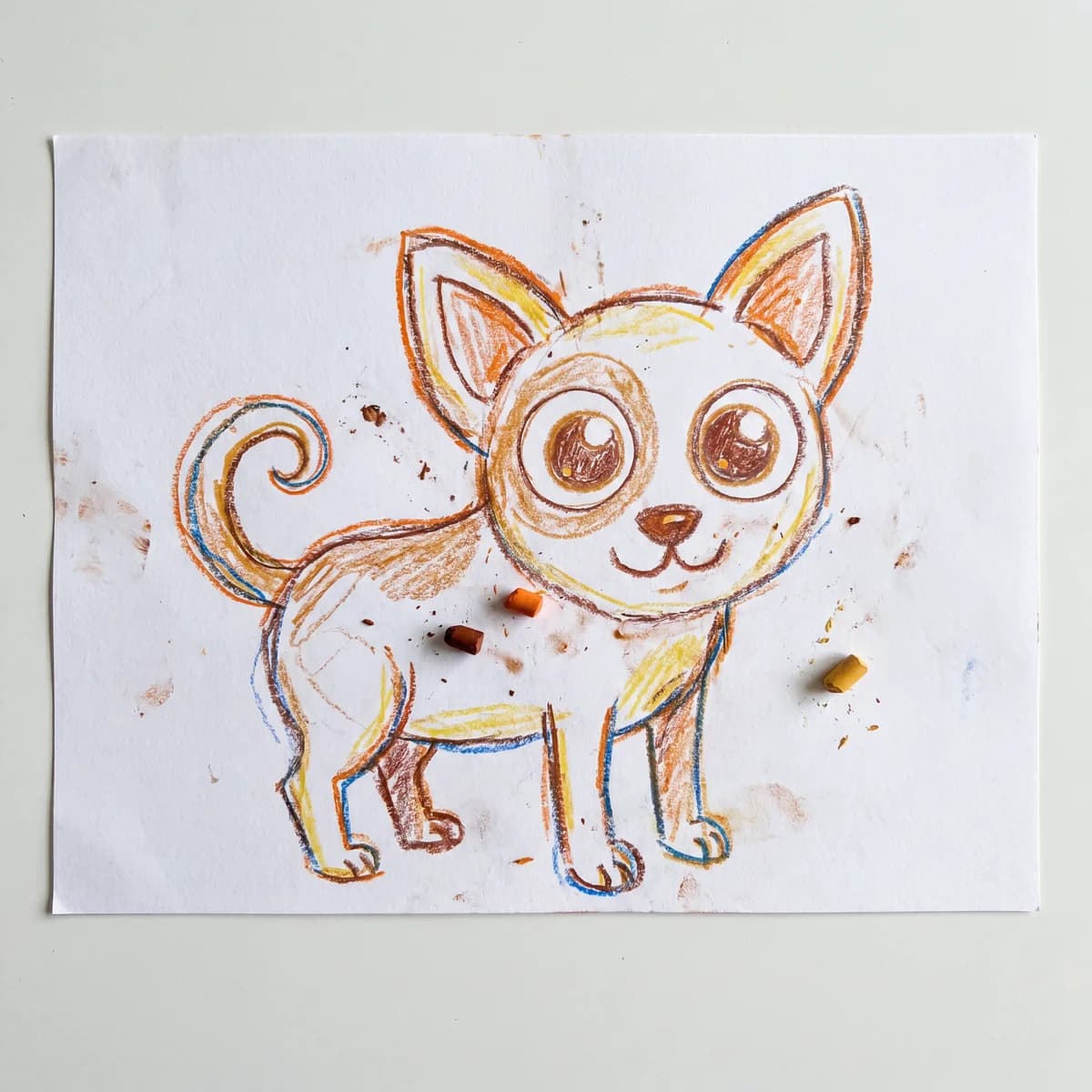
Grandma already has candles. She probably has a few picture frames. What she does not have is a softly glowing version of the family dog or cat, drawn by a five-year-old with a purple crayon and genuine enthusiasm.
There is something specific about this combination that works. The pet is a shared subject. Grandma knows this animal. She has probably fed it a few table scraps on a holiday visit or watched it barrel across the backyard. When the drawing comes from the grandkid and shows that exact animal, it carries a weight that a store-bought birthday present simply cannot replicate.
We hear from customers who say their mom or mother-in-law teared up when they opened it. We are not here to promise that, but we do think the reaction tends to be genuine because the gift is. It is not a gesture. It is evidence that someone took the time.
What Makes This Different From a Generic Birthday Gift
Most birthday gifts for grandmothers land in one of a few predictable categories: flowers that wilt, chocolate that gets eaten, a gift card that sits in a drawer. None of those things are wrong, but none of them end up on a shelf for the next decade either.
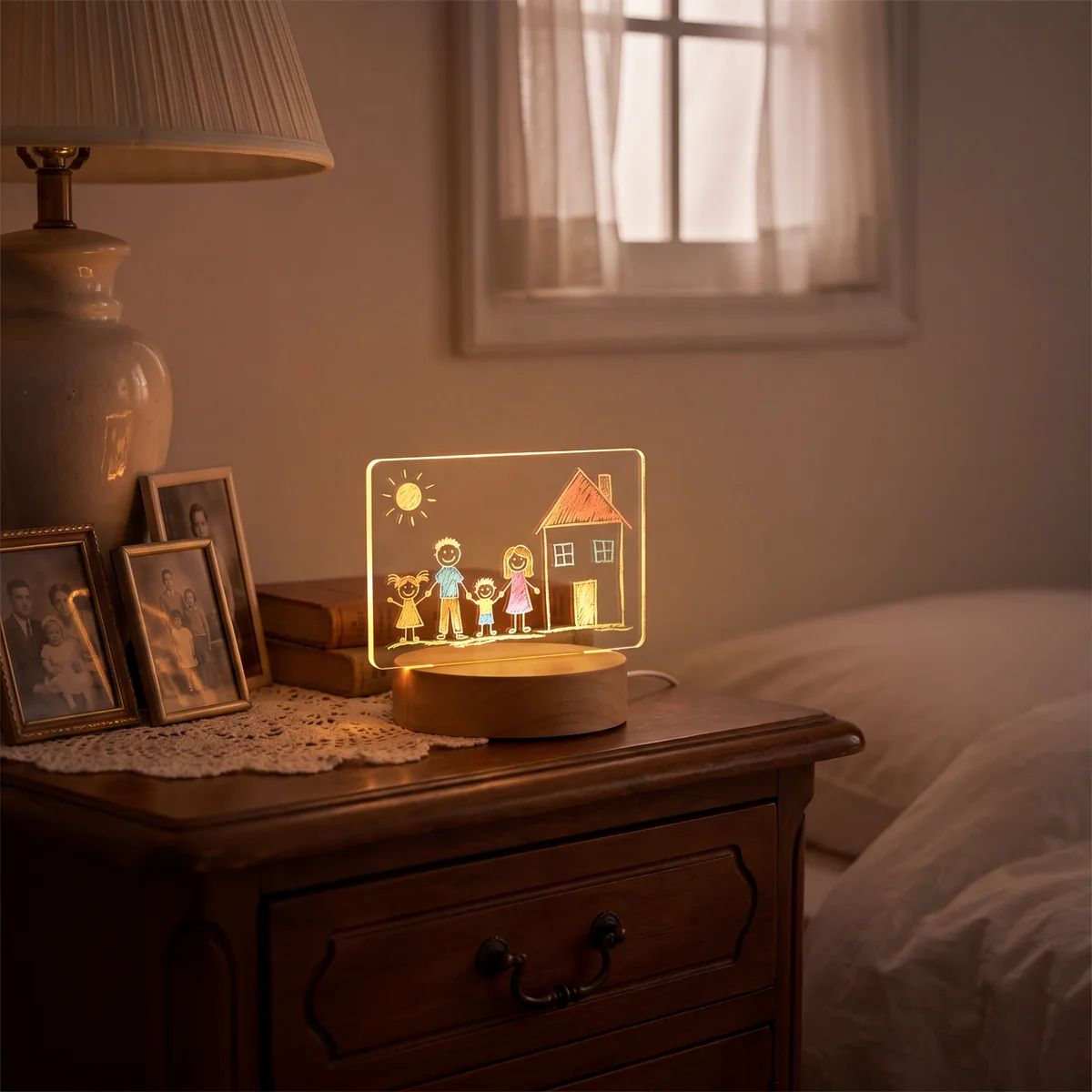
This night light does. Once it is plugged in and sitting somewhere in Grandma's space, it becomes part of the room. It is functional, it is visible, and every time someone notices it, there is a small story attached to it.
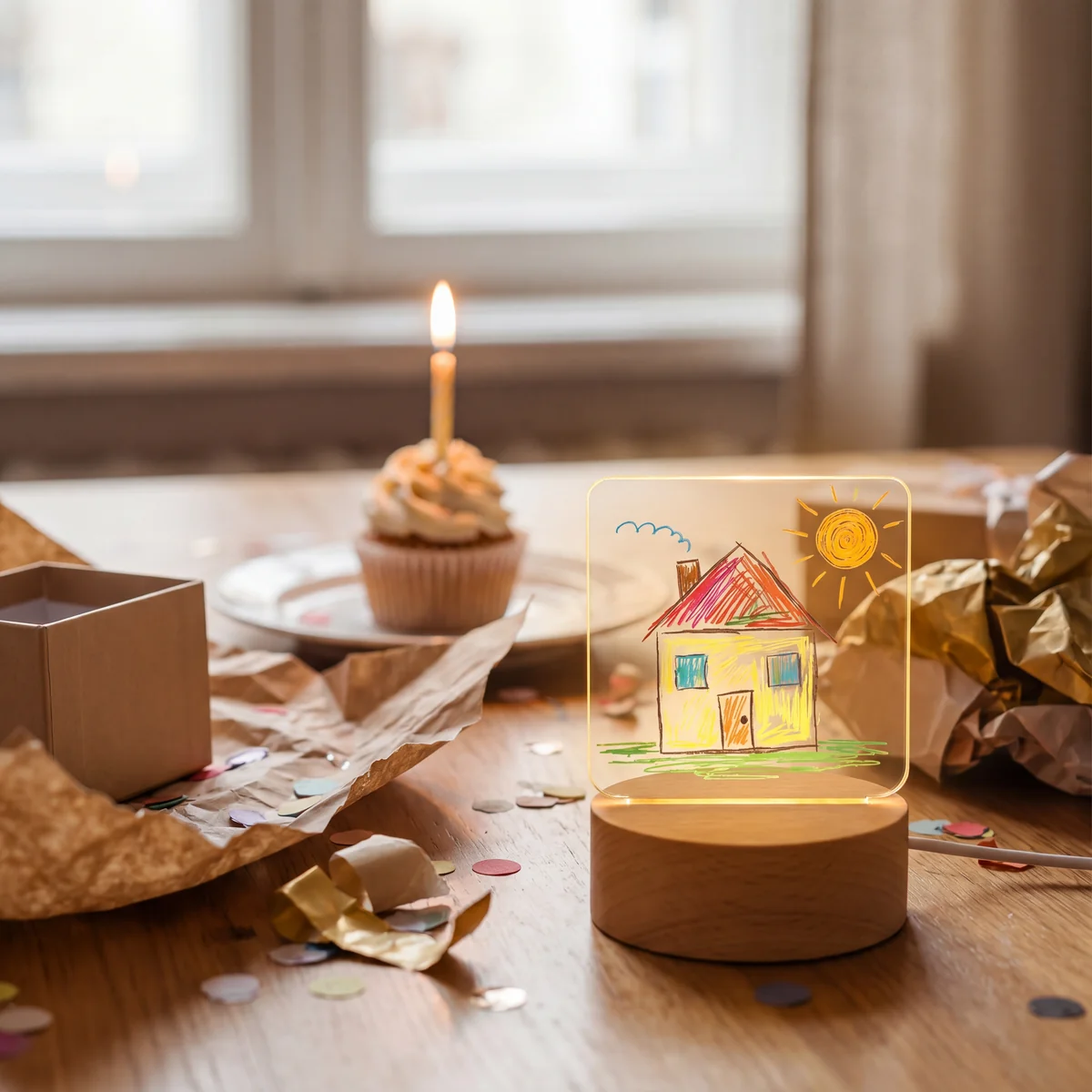
The product itself is a UV-printed acrylic plaque, which means your child's drawing is reproduced with real color fidelity directly onto the surface. It sits on a wooden LED base that emits a warm glow through the acrylic. The whole thing plugs in via USB, which means no battery hunting, no AA cells dying at the worst moment. It is a plug-and-play object that works reliably and looks considered.
Tips for Getting the Pet Drawing to Work Well
The short answer is that most drawings work fine. That said, a few small things make the printed result noticeably better.
Darker, more defined lines reproduce more clearly on acrylic than very faint pencil sketches. If your child drew the pet in marker, crayon, or colored pencil with some pressure behind it, you are in good shape. If the drawing is on lined notebook paper, do not worry too much. Our team works with lined paper submissions regularly, and we handle the cleanup during the file prep process.
For pet drawings specifically, the most charming results tend to come from drawings that are a little loose and interpretive rather than traced or copied from a photo. The crooked ears, the oval body, the tail that might be slightly too long. Those details are exactly what makes the piece feel like a child made it, because they did. That is the point.
If you are unsure whether your drawing will work, upload it anyway and we will let you know before anything goes to print.